Mushroom Production | Controlled, Sustainable & Scalable Cultivation Solutions
Mushroom Production | Controlled, Sustainable & Scalable Cultivation Solutions | Controlled, Sustainable & Scalable Cultivation Solutions

Mushroom production has evolved into a highly specialized agricultural discipline that combines biological expertise with advanced technology. Today’s commercial mushroom cultivation focuses on consistency, food safety, sustainability, and scalability.
These factors make mushrooms a strategic product for food, pharmaceutical, cosmetic, and functional nutrition industries worldwide.
Unlike seasonal crops, mushrooms can be produced year-round under controlled conditions. This allows producers to meet continuous demand while maintaining uniform quality. As global consumption grows, modern mushroom production has become a key pillar of sustainable agriculture.
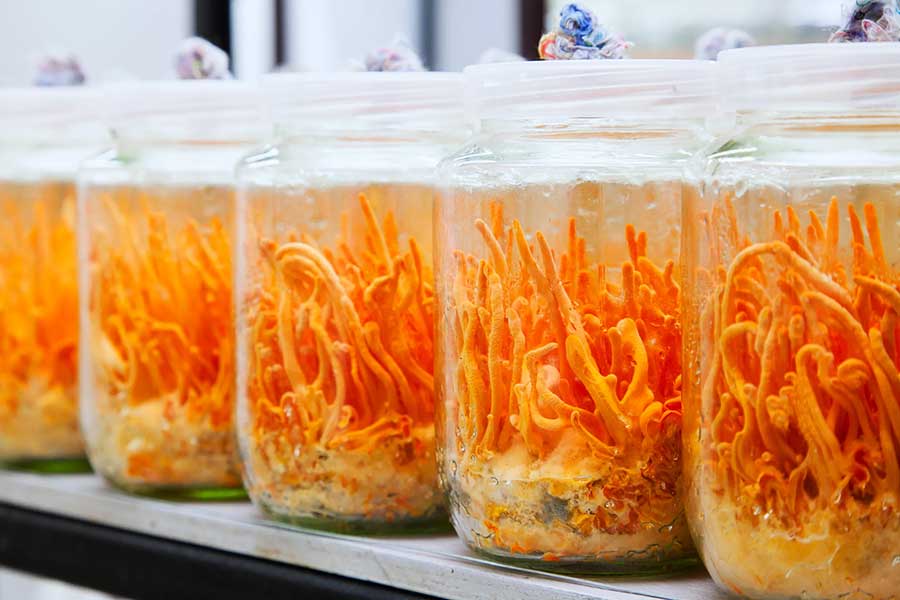
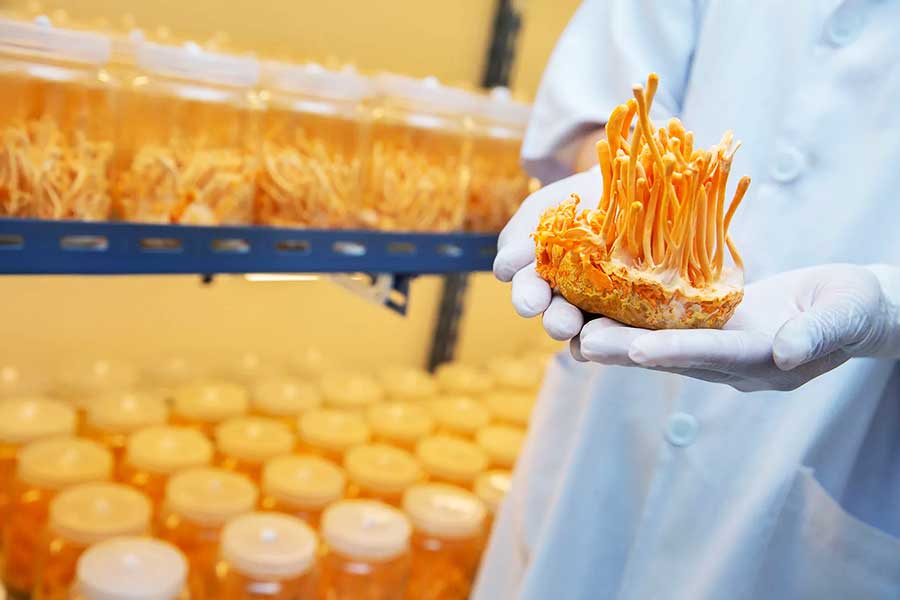
Controlled environment agriculture is the foundation of professional mushroom production. Temperature, humidity, airflow, light exposure, and substrate composition are carefully regulated to ensure optimal growth conditions.
This level of control minimizes contamination risks and ensures predictable yields. It also allows producers to standardize product specifications, which is essential for B2B customers operating in regulated markets.
Mushroom production facilities are designed to meet strict hygiene protocols. Clean-room principles, controlled access areas, and routine quality checks reduce microbial risks and ensure compliance with international food safety standards.
These measures are especially critical for mushrooms used in medicinal, functional, or export-oriented applications.
Sustainability is a core component of modern mushroom farming. Agricultural by-products such as straw, sawdust, and agricultural residues are commonly used as substrates, allowing for efficient resource utilization.
Water consumption is optimized through closed-loop systems, and production waste is often recycled as compost or soil conditioners. This circular production model aligns mushroom cultivation with environmental responsibility and long-term agricultural sustainability.
Advanced climate control technologies help reduce energy consumption while maintaining ideal growth conditions. Automation and monitoring systems further improve efficiency, making large-scale mushroom production both economically and environmentally viable.
Modern mushroom production includes a wide range of species, each serving different market needs.
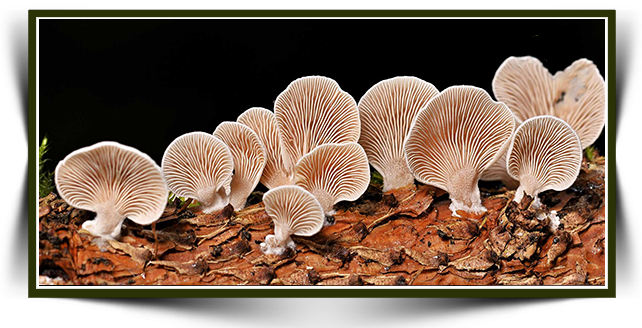
Known for their firm texture and culinary versatility, King Oyster mushrooms are widely used in foodservice, retail, and plant-based product development.
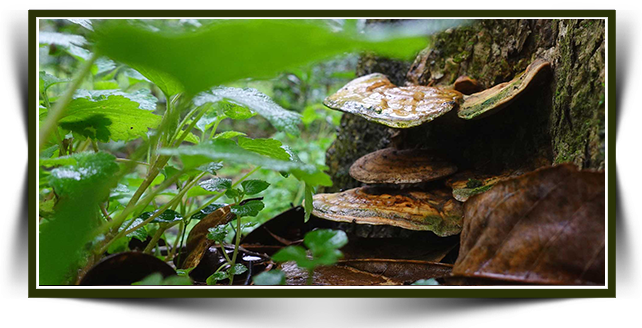
Shiitake mushrooms are valued for both culinary and functional applications. Their strong demand makes them a cornerstone of commercial mushroom production.
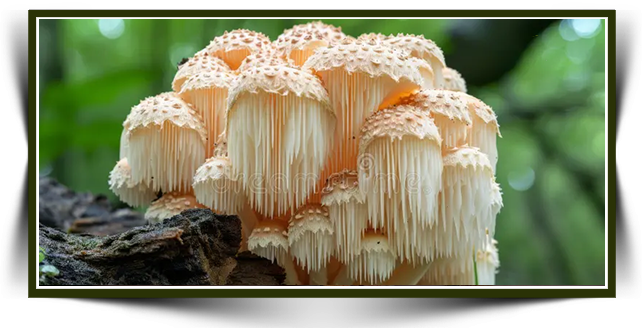
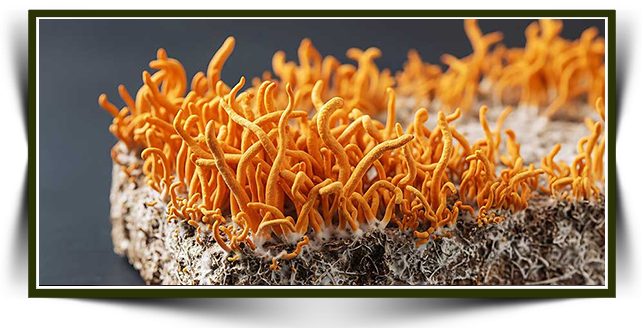
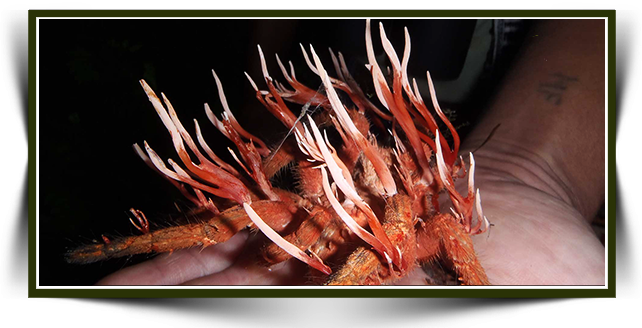
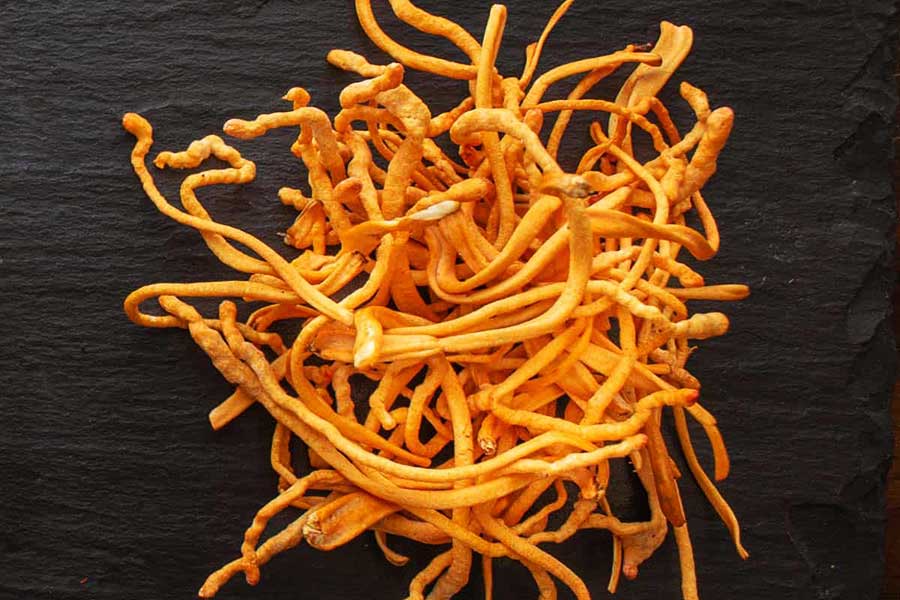
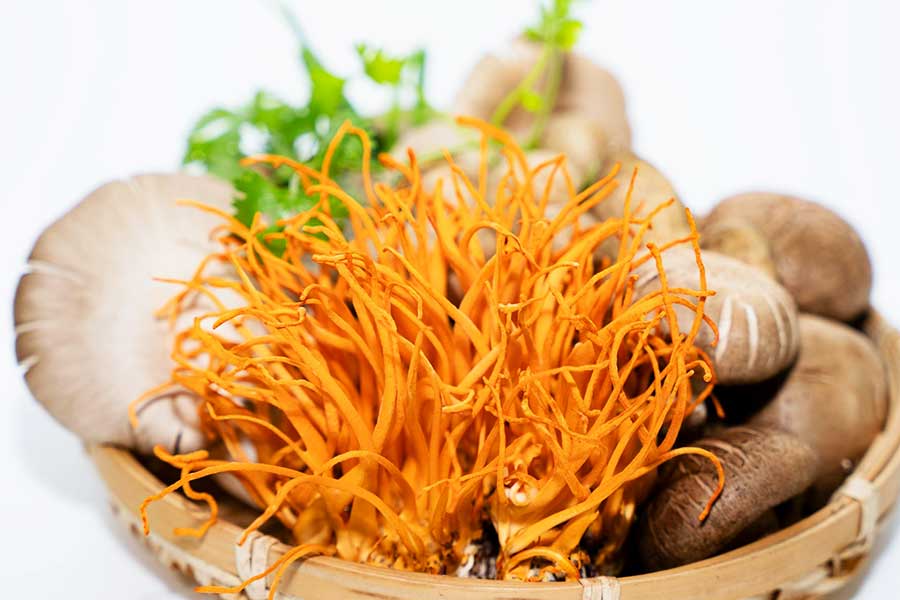
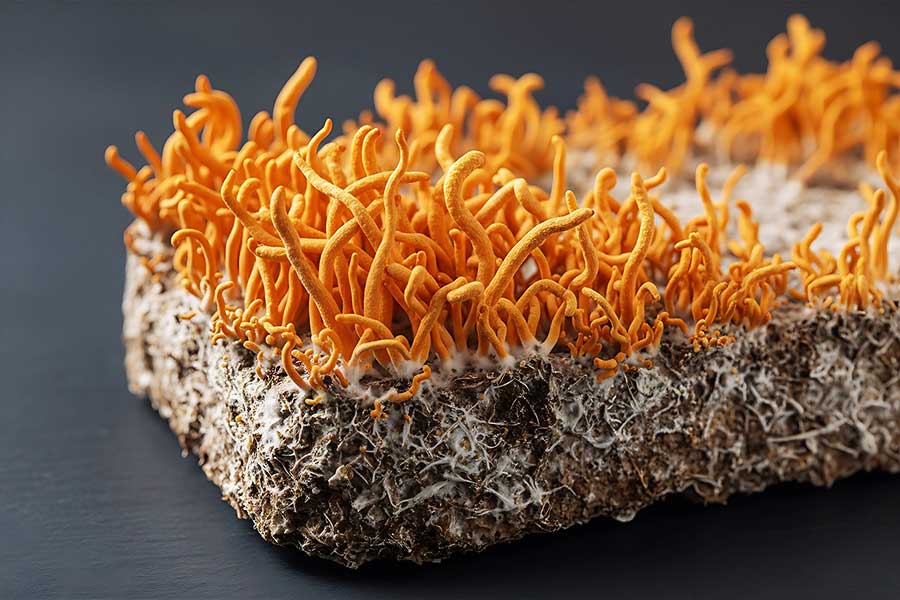
Reishi, Lion’s Mane, and Cordyceps militaris are produced under specialized conditions to preserve their functional compounds. These mushrooms are primarily processed into extracts, powders, and supplement-grade products.
Raw materials are sterilized or pasteurized to create a clean growth medium
Selected mushroom cultures are introduced under sterile conditions
Mycelium development occurs in controlled environments
Environmental adjustments trigger mushroom formation
Mushrooms are harvested at optimal maturity for quality and yield
Cold chain storage and processing maintain freshness and integrity
Mushrooms can be delivered in multiple formats depending on market requirements.
Ideal for retail, horeca, and daily distribution
Extended shelf life for export and industrial use
Preferred for supplements, functional foods, and cosmetics
Efficient logistics are essential in mushroom production. Cold chain systems preserve product quality from harvest to delivery. Daily or scheduled distribution ensures consistent supply for restaurants, hotels, manufacturers, and retailers.
Traceability systems document each production batch, providing transparency and regulatory compliance for international partners.
Standardized production ensures uniform size, texture, and composition
Controlled systems eliminate seasonal limitations
Flexible production models support growing demand
Products tailored for wholesale, export, and industrial clients
Mushroom production is no longer a niche agricultural activity; it is a technologically advanced and globally relevant industry. With controlled cultivation, sustainable practices, and reliable logistics, modern mushroom production delivers high-value products to diverse markets.For businesses seeking a dependable supplier, professional mushroom production offers consistency, safety, and long-term partnership opportunities in an expanding global market.
Keramet Teknik Tarım
Sanayi ve Ticaret A.Ş.
Keramet Mah. İznik-Orhangazi Karayolu Üzeri
No:622TR-16800 Orhangazi / Bursa / Türkiye
Tel: +90 530 462 8566
E-Mail: tugrul@keramet.org
E-Mail: info@egzotikmantar.com